
The lure of a low sticker price can make a distressed commercial property seem like an attractive investment. But while price is certainly the main factor in value, it pays to look beyond price and examine a property’s physical state, legal issues, and insurability before you invest.
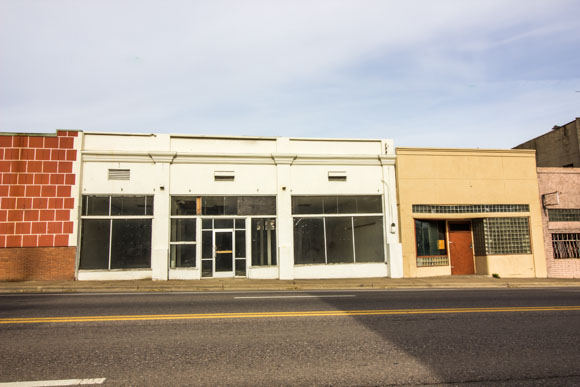
Partially competed properties carry some of the deepest discounts, but there’s a reason for those discounts – these projects carry additional risks. That’s why it’s vital for you to assess the property’s economic viability and physical condition before you make an offer.
Use these nine questions to jump start your investigation:
- How much of the project has been completed and how much remains to be done?
- Does any of the work need to be repaired or redone because the builder, facing financial difficulty, took shortcuts in material quality or construction?
- Do the original construction plans comply with current building codes? Are there any design errors that need correction?
- What liabilities (debts, lawsuits, penalties, etc.) will you have to assume with the property?
- Who’s legally liable for any defects in the design or construction of the project? If the original owner and builder are responsible for the problems, can you recover from them?
- What insurance covered the original project? Did one program apply to the entire project, or did each individual contractor have its own coverage? Will the insurance apply to construction defects?
- If a single wrap-up insurance policy covered the project, did it include a deductible or self-insured retention (SIR)? If so, and the insured owner or contractor has declared bankruptcy and is unable to pay it, will the insurance still apply?
- Are there special conditions that must be met before the policy will apply when the deductible or SIR cannot be paid?
- Does the original wrap-up policy extend completed operations coverage beyond the policy’s expiration date? If so, for how long?
Pay special attention to builders risk insurance on the project. If the original developer bought this coverage, the policy may have canceled after work on the project stopped.
If a policy purchased by the general contractor may is still in force, review its terms and conditions carefully. Due to the long period of inactivity, vacancy and unoccupancy provisions may have taken effect.
Check to see if the policy covers:
- Catastrophic perils such as flood and earthquake.
- Lost income and extra expenses resulting from delays due to covered perils such as fire or vandalism.
- The extent of coverage for testing.
Regardless how low a property’s price may be, it may not be a bargain if it comes with a host of physical and legal problems.
Arranging insurance on a property with severe problems may be very difficult or even impossible. An insurance agent or broker experienced in obtaining coverage for such properties can help sift through the issues and identify appropriate policies.
But, there’s no substitute for a careful examination of a property and all that comes with it. Doing your homework can help you spot the truly profitable opportunity.